Planning meals from pantry staples is a great way to save time, reduce food waste, and stretch your grocery budget. Whether you’re aiming to prepare quick weeknight dinners or just want to make the most of what you have at home, pantry staples offer a reliable foundation for many meals. This guide will help you organize your pantry, plan meals effectively, and inspire you with ideas to turn basic ingredients into satisfying dishes.
Understanding Pantry Staples
Pantry staples are non-perishable or long-lasting food items kept in your kitchen’s storage area. These can include canned goods, dried grains, pasta, spices, oils, and more. Having a well-stocked pantry ensures you can whip up meals without needing a last-minute grocery run.
Common Pantry Staples to Keep on Hand
– Grains: rice, quinoa, couscous, pasta, oats
– Legumes: canned or dried beans, lentils, chickpeas
– Canned goods: tomatoes, vegetables, tuna, broth
– Baking essentials: flour, sugar, baking powder, baking soda
– Cooking oils: olive oil, vegetable oil
– Spices and herbs: salt, pepper, garlic powder, dried oregano, chili flakes
– Condiments: soy sauce, mustard, vinegar, hot sauce
Step 1: Assess Your Pantry Inventory
Before planning meals, start by taking stock of what you already have. Organize your pantry so you can see all items clearly, grouped by category. Write down the ingredients, noting quantities and expiration dates. This will help you avoid buying duplicates and reduce waste.
Step 2: Choose a Meal Planning Method
Pick a planning approach that fits your lifestyle:
– Weekly Meal Plan: Outline meals for each day using pantry staples combined with fresh produce or proteins.
– Ingredient-Based Planning: Select a key pantry item (like canned tomatoes) and build several meals around it.
– Recipe Rotation: Repeat a few favorite staple-based recipes to simplify planning.
Step 3: Mix Pantry Items with Fresh Ingredients
While pantry staples are great on their own, pairing them with fresh ingredients like vegetables, fruits, dairy, or meat enhances flavor and nutrition. Plan meals that combine both for balance and variety.
Step 4: Select Recipes That Highlight Pantry Staples
Here are a few recipe ideas that use common pantry staples as the base:
One-Pot Pasta with Canned Tomatoes and Beans
– Sauté garlic and onion in olive oil
– Add canned tomatoes, drained beans, and spices
– Stir in pasta and water or broth, then simmer until pasta is cooked
– Finish with fresh herbs or cheese if available
Rice and Lentil Pilaf
– Cook lentils and rice together with broth and spices
– Add sautéed onions, garlic, and any fresh or frozen vegetables
– Serve with a dollop of yogurt or a squeeze of lemon
Chickpea and Vegetable Curry
– Heat oil and fry onion, garlic, and spices (like cumin, turmeric, and chili powder)
– Add canned chickpeas, diced canned tomatoes, and coconut milk or broth
– Simmer until thickened, then stir in fresh spinach or frozen peas
– Serve with rice or flatbread
Step 5: Keep Portion Sizes and Nutritional Balance in Mind
When planning meals, balance proteins, carbohydrates, and fats. Pantry staples like beans and lentils provide protein and fiber, grains offer carbohydrates, and cooking oils supply healthy fats. Add fresh vegetables or fruits to include vitamins and minerals.
Step 6: Make a Shopping List for Fresh Ingredients
Once you’ve planned your meals around pantry items, make a list of fresh ingredients you need to complete your dishes. Sticking to this list helps you shop efficiently and avoid impulse buys.
Step 7: Stay Flexible and Creative
Don’t hesitate to swap ingredients based on availability or preferences. If you don’t have a specific spice, try another similar one. Experiment with different combinations to keep meals interesting.
Tips for Maintaining a Well-Stocked Pantry
– Regularly check expiration dates and rotate older items to the front
– Buy staples in bulk to save money and reduce packaging
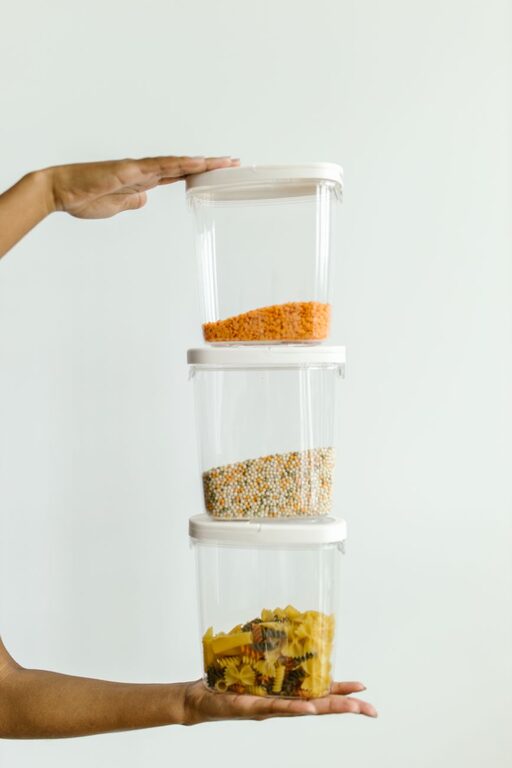
– Store grains and legumes in airtight containers to keep them fresh
– Label containers with the date of purchase or opening
Conclusion
Meal planning with pantry staples is a smart way to simplify cooking, save money, and minimize waste. By knowing what you have, selecting versatile recipes, and combining pantry items with fresh ingredients, you can enjoy tasty and nourishing meals every day. With a little organization and creativity, your pantry can become the heart of your kitchen.
Happy cooking!
About the Author