
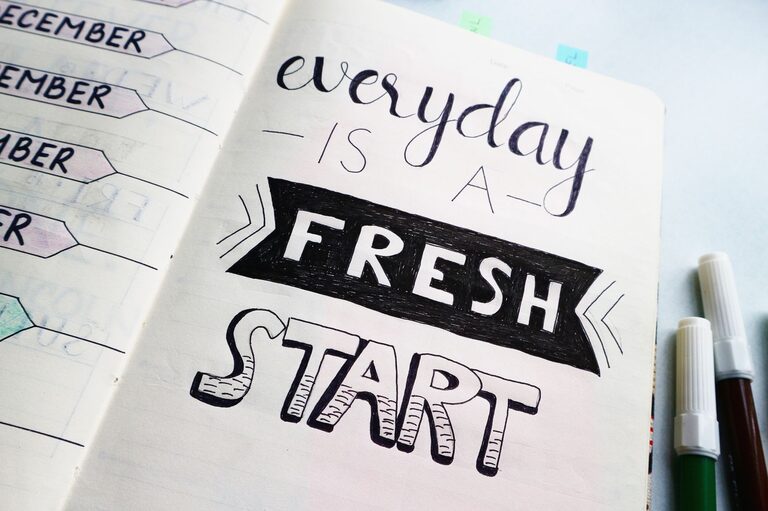
Creativity is often seen as a special talent reserved for artists, writers, or musicians. However, creativity is a skill that everyone can develop and benefit from in many areas of life. Whether you want to solve problems more effectively, find new hobbies, or simply enjoy thinking outside the box, practicing creativity daily can bring a lot of joy and improvement.
Here are some simple ways you can nurture your creative side every day.
What Does It Mean to Practice Creativity?
Before diving into tips, it’s helpful to understand what practicing creativity means. It’s not always about creating a masterpiece or coming up with a groundbreaking invention. Instead, creativity involves:
– Trying new ideas or approaches
– Seeing things from different perspectives
– Making connections between unrelated concepts
– Expressing yourself in unique ways
Everyday creativity can be as simple as figuring out a new recipe or arranging your workspace differently.
Easy Daily Habits to Spark Creativity
1. Keep a Journal or Sketchbook
Writing or drawing daily is a straightforward way to get your creative juices flowing. You don’t have to be a professional writer or artist—just jot down your thoughts, doodle, list ideas, or describe interesting observations.
– Spend 5–10 minutes each day writing about your day, dreams, or plans.
– Use prompts: “What surprised me today?” or “If I could redesign an everyday object, what would it be?”
– Sketch something simple, like your coffee cup or the view outside your window.
This habit helps train your brain to think creatively and capture ideas before they slip away.
2. Explore New Experiences
Creativity thrives when you expose yourself to fresh input. Trying new things gives your brain material to combine in unexpected ways.
– Take a different route on your walk or commute.
– Listen to music genres you don’t usually hear.
– Try cooking a cuisine from another culture.
– Attend local workshops or online classes unrelated to your job.
Even small changes to your routine can lead to new ideas.
3. Practice Mindfulness and Observation
Mindfulness—the practice of staying present and fully experiencing your surroundings—can boost creativity by sharpening your perception.
– Spend a few minutes each day focused on your breath or the sounds around you.
– Notice details others might miss, such as textures, colors, or patterns in everyday objects.
– Observe people’s body language or behavior without judgment.
Heightened awareness can help you see the world in new ways, inspiring your creative thinking.
4. Use Brainstorming Techniques
Set aside time to generate ideas without judging them. Brainstorming helps you explore possibilities freely, which is essential for creativity.
– Write down as many ideas as possible on a topic, even silly ones.
– Use mind maps to connect ideas visually.
– Challenge yourself with “What if?” questions.
For example, if you want to decorate a room, brainstorm all ideas regardless of feasibility before narrowing down options.
5. Limit Screen Time and Create Tech-Free Zones
Technology can be a valuable tool but also a distraction. Reducing screen time encourages deeper thinking and imagination.
– Allocate specific times to check emails and social media.
– Create a tech-free zone in your home, like the dining room, where you focus on conversation or creative activities.
– Use this time to read physical books, write, or work on a craft.
This break can help your mind wander and connect ideas naturally.
6. Collaborate and Share Ideas with Others
Creativity often blossoms when we exchange ideas with others. Different perspectives can inspire new ways of thinking.
– Join clubs, groups, or online forums related to your interests.
– Share your projects or ideas and ask for feedback.
– Brainstorm with friends or colleagues.
Collaborative creativity also strengthens social bonds and can make the process more enjoyable.
7. Make Time for Play and Curiosity
Childlike playfulness and curiosity are at the heart of creativity. Allow yourself to experiment and have fun.
– Try puzzles, games, or crafts you enjoyed as a kid.
– Ask questions about how things work or why they are the way they are.
– Allow yourself to fail or make mistakes without pressure.
This relaxed attitude opens the door to unexpected discoveries.
8. Set Small, Manageable Goals
You don’t need to complete a big creative project to feel productive. Small goals make creativity less daunting and more consistent.
– Aim to write one sentence a day if you’re starting journaling.
– Commit to drawing one small sketch or taking a photo daily.
– Try one new recipe a week.
These bite-sized steps add up over time and keep your creativity active.
Overcoming Common Barriers to Daily Creativity
Sometimes, it’s hard to be creative because of time constraints, fear of failure, or self-doubt. Here are some tips to overcome these blocks:
– Schedule creativity: Treat it like an appointment to avoid skipping it.
– Embrace imperfection: Remember that creativity includes trial and error.
– Celebrate small wins: Every effort counts; acknowledge progress.
– Find inspiration: Surround yourself with creative works, nature, or supportive people.
Final Thoughts
Practicing creativity every day doesn’t require drastic changes or special talents. Small, intentional habits can unlock your imagination and help you see the world in fresh and exciting ways. Whether through writing, exploring, playing, or simply observing, daily creativity enriches your life and can lead to surprising opportunities.
Start today with one simple step—like jotting a quick idea or taking a mindful moment—and enjoy the journey of becoming more creative every day.
About the Author